Protecting Your Leyland Cypress:
Common Diseases and How to Treat Them
Leyland Cypress trees are a favorite in landscaping for their fast growth, lush green foliage, and versatility as privacy screens or natural hedges. While they add beauty and functionality to many yards, they are not without their challenges. These popular evergreens are especially vulnerable to a few common diseases that can weaken their structure, dull their appearance, and even lead to significant decline if left untreated.
Among the most common threats to Leyland Cypress are Leaf Tip Blight and Seiridium Canker, two diseases that often catch homeowners off guard. Early signs like browning branches, thinning canopies, or discolored bark can escalate quickly, leaving once-healthy trees struggling to recover. Whether caused by fungal infections, improper planting practices, or environmental stress, these issues can affect not just the trees themselves but the overall health and look of your landscape.
In this article, we’ll explore the most common diseases that affect Leyland Cypress trees, how to identify the warning signs, and the steps you can take to treat and prevent further damage. With the right care and a proactive approach, your Leyland Cypress trees can stay strong and vibrant for years to come. Let’s dive in!
Common Diseases Affecting Leyland Cypress
Leyland Cypress trees are prized for their fast growth and adaptability, but they are also highly susceptible to a couple of common diseases that can cause significant damage if not addressed early. Two of the most prevalent issues homeowners face are Leaf Tip Blight and Seiridium Canker.
Leaf Tip Blight
Leaf Tip Blight is a fungal disease that primarily targets the tips of Leyland Cypress branches. It begins with a yellowish haze on the tree’s foliage and progresses to browning and dieback at the branch tips. Unlike natural browning caused by lack of sunlight in the tree’s interior, Leaf Tip Blight works from the outside in, moving inward along the branches. This disease is often linked to excess moisture, poor air circulation, or environmental stress, making overcrowded or over-irrigated trees particularly vulnerable.
Seiridium Canker
Seiridium Canker is a more aggressive and damaging disease caused by fungal pathogens that invade the tree’s vascular system. Unlike Leaf Tip Blight, which affects the foliage, Seiridium Canker attacks the inner tissues of the branches, causing entire limbs to turn orange-brown and die. The disease often spreads through spores carried by wind, rain, or contaminated pruning tools. One of the telltale signs of Seiridium Canker is the presence of sunken, discolored areas—called cankers—near the base of dying branches. These cankers disrupt the tree’s ability to transport water and nutrients, leading to further decline.
Both diseases can spread rapidly, especially in conditions of high humidity or poor air circulation. If left untreated, they can compromise the overall health of the tree and even lead to its death. In the next section, we’ll discuss how to identify these diseases early and differentiate them from other issues.
How to Identify the Signs of Trouble
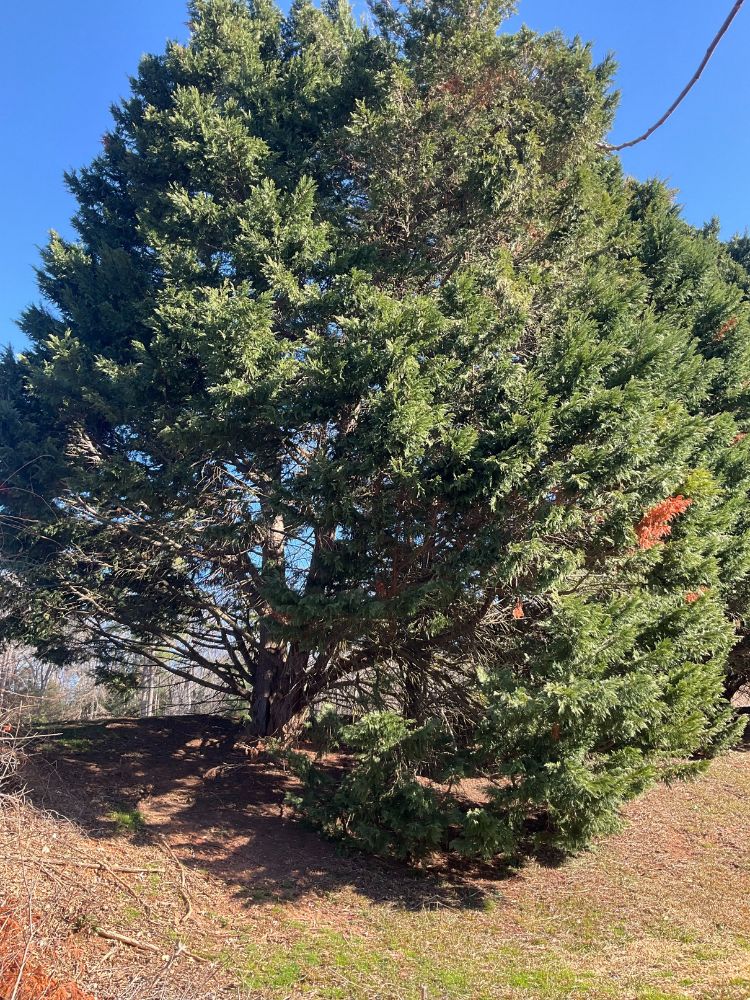
Leyland Cypress trees are naturally resilient, but when diseases like Leaf Tip Blight and Seiridium Canker strike, early identification is crucial. Spotting the warning signs in time can prevent minor issues from turning into significant problems. Here’s how to recognize each disease and distinguish them from other common tree health issues.
Leaf Tip Blight
One of the first signs of Leaf Tip Blight is a yellowish hue that develops on the tips of the tree’s branches. As the disease progresses, these tips will begin to brown and die back, moving inward along the branches. Unlike natural browning, which typically occurs in older interior growth due to lack of sunlight, Leaf Tip Blight impacts newer, outer foliage. From a distance, the tree may appear patchy or thin, especially at the edges.
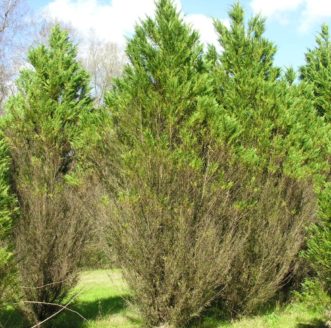
Blighted lower canopy is commonly seen with Passalora needle blight.
Photo: https://hgic.clemson.edu/factsheet/leyland-cypress-diseases-insects-related-pests/
Credit: Steven Jeffers, ©2010, Extension Service, Clemson University
Seiridium Canker
Seiridium Canker is more challenging to detect early because it works from the inside out. Homeowners often first notice entire branches turning a rusty orange or brown. Upon closer inspection, the affected branch will have a sunken canker near its base, typically close to the trunk. These cankers are discolored, irregular patches where the fungus has invaded the tree’s vascular system, cutting off water and nutrients. Over time, the tree may develop a sparse or uneven canopy as entire limbs die off.
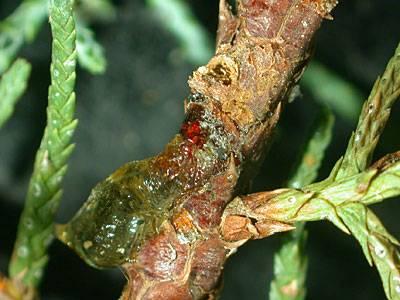
Close-up of Seiridium canker
Photo: https://extension.umd.edu/resource/seiridium-and-botryosphaeria-canker-leyland-cypress/
Credit: C. Y. Warfield, NCSU
Distinguishing Between the Two
- Leaf Tip Blight starts at the tips of the branches and moves inward, whereas Seiridium Canker begins within the tree’s vascular system and spreads outward, killing entire branches.
- Blight affects the appearance of the foliage, while canker often leaves visible scars or sunken areas on the bark.
Other Indicators of Trouble
Keep an eye out for additional signs of stress that may indicate your Leyland Cypress is struggling, including:
- Thinning canopies or uneven growth.
- Patches of discolored or dying branches.
- A general decline in the tree’s overall vibrancy.
If you’re unsure whether your tree is affected by disease, a professional inspection is always a smart choice. Arborists can pinpoint the issue and recommend the best course of action to save your trees.
In the next section, we’ll dive into why these diseases are harmful and the long-term effects they can have on your trees and landscape.
Why These Diseases Are Harmful
Diseases like Leaf Tip Blight and Seiridium Canker may seem manageable at first, but their long-term effects can devastate Leyland Cypress trees and the surrounding landscape. These diseases don’t just impact the appearance of the tree; they weaken its structural integrity, compromise its health, and leave it vulnerable to other stressors.
Leaf Tip Blight
Slowly eats away at the tree’s vitality by targeting its newest growth. As the fungus spreads from the branch tips inward, it reduces the tree’s ability to photosynthesize and produce the energy needed to sustain itself. Over time, this can lead to thinning canopies, stunted growth, and a lackluster appearance. In severe cases, the tree may lose so much foliage that its structural integrity is compromised, making it more susceptible to wind damage and environmental stress.
Seiridium Canker
Is particularly dangerous because it attacks the tree’s vascular system. The fungal pathogens invade from within, cutting off the flow of water and nutrients to entire branches. A single infected branch can die quickly, and if the disease spreads to the main trunk, the tree’s survival is in serious jeopardy. The visible cankers left behind by this disease are not just scars—they’re signs of internal damage that the tree may not be able to recover from.
Beyond the tree itself, these diseases can impact the overall health and appearance of your landscape. A diseased Leyland Cypress in a privacy screen or hedge can leave unsightly gaps, reduce the effectiveness of your greenery as a natural barrier, and even spread the problem to neighboring trees if left untreated.
Environmental stressors like drought, overcrowding, and poor air circulation can exacerbate these diseases, making it even more important to address them early. Healthy, well-maintained trees are better equipped to resist infections, but once a tree is weakened, it becomes an easy target for pests and other pathogens.
The bottom line: Leaf Tip Blight and Seiridium Canker don’t just pose aesthetic problems. They threaten the long-term health and stability of your Leyland Cypress trees and your landscape as a whole. In the next section, we’ll explore the most effective treatments for managing these diseases and restoring your trees to health.
Effective Treatment Options
Addressing Leaf Tip Blight and Seiridium Canker requires a thoughtful approach tailored to each disease’s unique challenges. While it’s tempting to try a quick DIY solution, effective treatment often requires the expertise and tools of a professional arborist. Here’s what works:
Treating Leaf Tip Blight
Leaf Tip Blight is a fungal disease, which means it responds well to fungicides when treated early. A copper-based fungicide is often recommended to suppress the spread of the disease and protect unaffected parts of the tree. However, applying fungicides effectively requires even coverage of the entire tree, which can be challenging for homeowners, especially with larger trees.
In addition to fungicide treatments, it’s essential to address the environmental factors contributing to the disease. Improving air circulation around the tree by pruning nearby plants or spacing out new trees can help reduce moisture buildup, which encourages fungal growth. Adjusting watering practices is equally important. Overhead irrigation can worsen Leaf Tip Blight by keeping the foliage wet for extended periods, so it’s best to focus on deep, infrequent watering at the base of the tree.
Managing Seiridium Canker
Unlike Leaf Tip Blight, Seiridium Canker doesn’t respond to chemical treatments. This disease requires a more hands-on approach, starting with pruning infected branches. Removing and disposing of diseased limbs helps contain the spread of the fungal pathogens, but it’s crucial to sterilize pruning tools between cuts to avoid transferring spores to healthy parts of the tree.
Because Seiridium Canker works internally, prevention and long-term health management are key. Strengthening the tree’s overall health through proper fertilization, watering, and annual inspections can make it more resistant to disease. In cases where the disease has spread extensively, professional arborists can evaluate whether the tree can be saved or if removal is the safest option.
Why Professional Care Matters
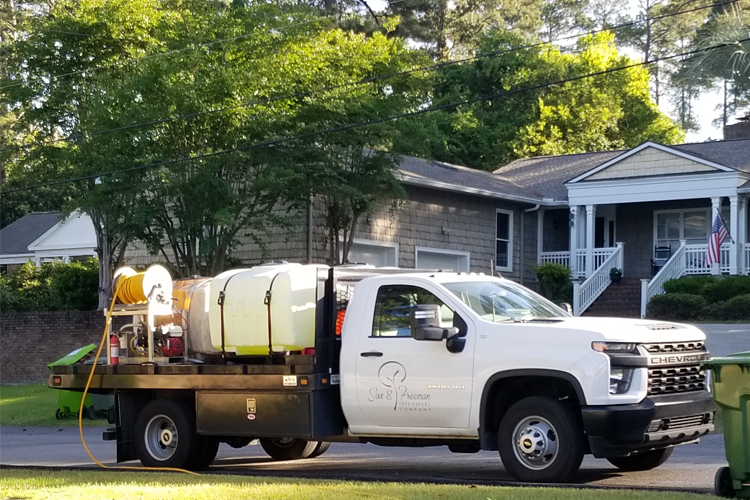
Tackling these diseases effectively often requires professional expertise. Arborists bring critical advantages:
- Accurate Diagnosis: Differentiating between Leaf Tip Blight, Seiridium Canker, and other issues is essential for choosing the right treatment.
- Specialized Tools: Professionals have access to equipment for treating tall or difficult-to-reach trees, ensuring thorough application of fungicides or precise pruning of infected branches.
- Preventative Care: Arborists can recommend and implement ongoing maintenance plans to prevent future outbreaks, such as fertilization schedules or pruning for better air circulation.
What You Can Do
Homeowners also play an important role in supporting the health of their Leyland Cypress trees. Regularly inspect your trees for early signs of trouble, avoid overwatering or overcrowding, and make sure newly planted trees are spaced far enough apart to prevent disease spread. When in doubt, consult with a professional to ensure the best possible care for your trees.
In the next section, we’ll discuss proactive steps you can take to prevent these diseases from affecting your Leyland Cypress trees in the first place.
Preventative Measures for Leyland Cypress Diseases
Preventing diseases like Leaf Tip Blight and Seiridium Canker starts with proactive care and smart planning. Leyland Cypress trees thrive when given the right conditions, but poor planting practices, overcrowding, or overwatering can leave them vulnerable to disease. By taking a few key steps, you can protect your trees and keep them healthy for years to come.
Proper Spacing is Key
When planting Leyland Cypress trees, it’s essential to give them room to grow. Trees that are planted too close together limit air circulation, which creates the ideal environment for fungal diseases to spread. Proper spacing not only helps reduce the risk of disease but also allows each tree to grow to its full potential. If you’re creating a hedge or privacy screen, consider alternating species with similar growth habits to reduce the chance of a single disease wiping out the entire row.
Water Wisely
Overwatering is one of the most common mistakes when it comes to caring for Leyland Cypress trees. These trees prefer deep, infrequent watering that reaches the roots without saturating the soil or wetting the foliage. Overhead watering should be avoided, as it can keep the branches and leaves wet for extended periods, creating the perfect conditions for fungal growth.
Regular Inspections Make a Difference
Even if your trees look healthy, having a certified arborist inspect them annually is one of the best ways to catch problems early. Diseases like Seiridium Canker often start internally, making them difficult to spot until the damage becomes significant. Regular inspections allow arborists to identify subtle warning signs and address them before they spread.

Prune with Care
Pruning is an important part of tree maintenance, but it’s critical to do it the right way. Diseased branches should be removed as soon as possible, but pruning tools must be sterilized between cuts to prevent the spread of fungal spores. Heavy pruning should be avoided, as it can stress the tree and leave it more susceptible to infections.
Focus on Overall Tree Health
Healthy trees are naturally more resistant to disease. Practices like mulching around the base, fertilizing when necessary, and avoiding unnecessary stress—such as planting in poor soil or over-pruning—help keep Leyland Cypress trees strong and resilient. Proactive care makes all the difference in protecting your Leyland Cypress trees from diseases. Whether it’s ensuring proper planting, maintaining healthy watering practices, or scheduling regular inspections, these small steps go a long way in keeping your landscape beautiful and disease-free.
In the next section, we’ll share a real-world example of how Sox and Freeman have helped restore Leyland Cypress trees affected by disease, proving that the right care can save even the most at-risk trees.
Caring for Your Leyland Cypress Trees
Leyland Cypress trees are a stunning addition to any landscape, but like any living thing, they require proper care to stay healthy and beautiful. Diseases like Leaf Tip Blight and Seiridium Canker can pose serious challenges, but with the right approach, you can protect your trees and ensure they thrive for years to come.
The key to success is early detection and proactive care. By recognizing the warning signs of disease, such as browning tips or sunken cankers, and addressing them quickly, you can prevent further damage and keep your trees strong. Whether it’s improving planting practices, adjusting watering routines, or scheduling annual inspections, a few small steps can make a big difference.
At Sox and Freeman, we understand the value of healthy, vibrant trees. From diagnosing and treating diseases to providing ongoing maintenance, we’re here to help you protect your Leyland Cypress trees and preserve the beauty of your landscape. If you’re concerned about your trees or want to learn more about how to care for them, don’t hesitate to reach out.
Healthy trees are an investment in your property and your peace of mind. Let’s work together to keep your Leyland Cypress trees standing tall and looking their best. Contact Sox and Freeman today to schedule an inspection or discuss a Plant Health Care program tailored to your needs.