
What are soil tests and are they important?
Healthy trees start from the ground up – literally!
Soil is the foundation of tree health, influencing everything from nutrient uptake to root growth to pest susceptibility. Yet, many homeowners have no idea what’s happening beneath the surface. That’s where soil testing comes in. For ISA-certified arborists, soil testing is a critical first step in diagnosing tree health and crafting tailored tree care plans. By analyzing the soil’s composition and characteristics, arborists can determine whether the soil is supporting or hindering a tree’s growth. In this article, we’ll explore what soil tests are, what they measure, and why they are a cornerstone of professional tree care. If you want to ensure the trees on your property thrive, soil testing is essential.
What is a soil test?
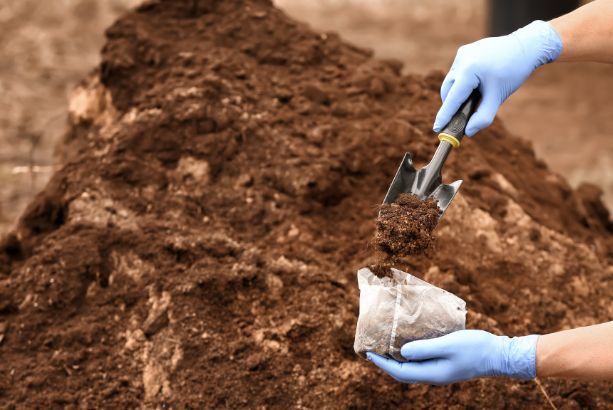
A soil test is a scientific analysis that evaluates the physical, chemical, and biological properties of soil to determine its suitability for supporting healthy tree growth. It involves collecting soil samples from specific areas around a tree and sending them to a laboratory for detailed examination.
The process typically begins with careful sampling at the appropriate depth and locations around a tree’s root zone. Once analyzed, the results help your arborist identify any deficiencies, imbalances, or other issues that may compromise a tree’s health.
What do soil tests measure?
Soil tests reveal critical information about the soil’s ability to support healthy trees, especially in the diverse environments of South Carolina. From live oaks along the coast to crepe myrtles in suburban yards, different species have unique soil needs.
Nutrient Levels
Soil tests evaluate essential nutrients like nitrogen (N), phosphorus (P), and potassium (K), which are vital for healthy growth.
For example, southern magnolias require sufficient nitrogen to maintain their lush green foliage. Tests can also reveal deficiencies in micronutrients like iron, which can cause chlorosis (yellowing leaves) in oaks if soil conditions are suboptimal.
Soil pH
South Carolina soils can vary in pH, from acidic sandy soils in the Lowcountry to more alkaline clay soils in the Piedmont.
If the pH is too high or too low, these trees may struggle to absorb nutrients even if those nutrients are present.
For example, azaleas and camellias – common understory shrubs beneath pines in South Carolina – require acidic soils to thrive.

Organic Matter
We often think of dirt as being made up of tiny rock and sand particles but the reality is much more complex than that. Organic matter content plays a role in soil fertility and water retention. This is of particular importance in the sandy soils found in coastal areas.
For example, live oaks benefit from organic matter to support their expansive root systems and maintain health in sandy, well-drained soils. In urban settings, where soil often lacks organic matter, adding compost can enhance the health of ornamental trees like crepe myrtles.
Soil Texture and Structure
Soil texture is its proportion of sand, silt, and clay, and can significantly affect tree health. In the South Carolina Midlands, compacted clay soils can impede water drainage and limit the root growth of species like sweetgum and tulip poplar.
Soil testing identifies these conditions, enabling arborists to recommend aeration or soil amendments to improve root access to water and oxygen.
Cation Exchange Capacity (CEC)
CEC measures the soil’s ability to retain and exchange nutrients like calcium and magnesium. For example, Southern pines, which dominate South Carolina’s forests, rely on calcium-rich soils for optimal growth.
Soil testing ensures these nutrients are available and retained in sufficient quantities to support long-term health.
Salinity Levels
While salinity is less of a concern inland, it can pose a significant challenge in coastal areas like Charleston or Hilton Head. Salt spray from ocean winds can accumulate in the soil, affecting trees like southern red cedar or live oaks.
Soil tests can detect high salinity levels, allowing arborists to implement strategies like leaching or selecting salt-tolerant species.
Additional Factors
Depending on the environment, soil tests can also assess:
- Compaction: Urban trees like willow oaks often suffer in compacted soils, which restrict root growth. Testing helps identify areas that need aeration to promote healthier roots.
- Water Infiltration Rates: Bald cypress, found in South Carolina’s swamps, thrives in water-retentive soils. Soil tests ensure these conditions are adequate in areas where these trees are planted.
- Pathogens: Pathogenic fungi like Armillaria root rot can be detected through soil testing, protecting species such as sugar maples, which are prone to this disease.

Why are soil tests important
Soil tests are essential for maintaining healthy trees because they provide detailed insights that aren’t visible on the surface. Here are some of the key reasons why soil tests matter:
They diagnose soil-related issues.
A soil test helps identify nutrient deficiencies, pH imbalances, or compaction problems that could be affecting a tree’s growth. For example, if a live oak shows signs of stress, a soil test can reveal whether the issue lies in poor nutrient availability or compacted soil limiting root development.
They guide fertilization plans.
Applying fertilizer without knowing what the soil truly needs can do more harm than good. Soil tests allow arborists to create customized fertilization plans based on the specific needs of trees.

They help maintain proper soil pH.
Many trees, such as dogwoods and red maples, require slightly acidic soils to thrive. If a soil test shows that the pH is too high (alkaline), arborists can recommend treatments like sulfur to lower the pH and make nutrients more available to the tree.
They improve soil structure.
Compacted clay soils, a common feature in the urban areas of the Midlands, can restrict water and air movement to roots. Soil tests identify compaction issues, enabling arborists to recommend aeration or amendments like organic matter to enhance soil structure and support root growth.
They prevent overwatering or underwatering.
Soil tests measure how well the soil retains water, helping arborists determine whether irrigation practices need adjustment. This is particularly valuable for trees like bald cypress, which thrive in water-retentive soils, or for ornamental trees prone to root rot in overly saturated ground.
They reduce the risk of pests and diseases.
Healthy soil supports resilient trees that are better able to fend off pests and pathogens. For example, trees weakened by nutrient deficiencies or poor soil conditions are more susceptible to issues like magnolia scale or fungal infections.
By addressing soil problems early, arborists can protect trees from future infestations or diseases.
They support long-term tree health.
Soil testing is not a one-time activity; it’s a proactive approach to tree care. Regular testing ensures that the soil remains healthy and balanced, providing a strong foundation for trees to thrive for decades to come.
When should soil testing be done
Soil testing is most effective when timed to address specific issues or as part of regular maintenance. Here are key times to consider testing:
- When trees show signs of stress. Yellowing leaves, stunted growth, or thinning canopies may indicate nutrient deficiencies or pH imbalances.
- Before fertilizing or amending soil. Testing ensures the right products are applied in the correct amounts.
- After environmental changes. Construction, landscaping, or heavy equipment use can compact soil or disrupt nutrient balance.
- During routine maintenance. Regular testing helps monitor soil conditions over time and catch problems early.
- When planting new trees. Testing ensures the soil supports the specific species being planted.
- After pest or disease issues. Soil testing can reveal conditions that contributed to the problem, like poor drainage or nutrient imbalance.

Healthy trees start from the ground up
The health and beauty of your trees depend on what’s happening beneath the surface. As we’ve mentioned, soil testing provides the critical insights needed to ensure your soil is working with your trees and not against them.
ISA-certified arborists use soil tests to uncover hidden issues and develop solutions that give your trees the strong foundation they need to thrive. Whether you’re addressing current tree stress or planning for the future, investing in soil testing is one of the smartest steps you can take for a healthy, beautiful landscape.